Competition in the Music Industry Is Huge, but HOTS Provides a Simplifying Step Forward
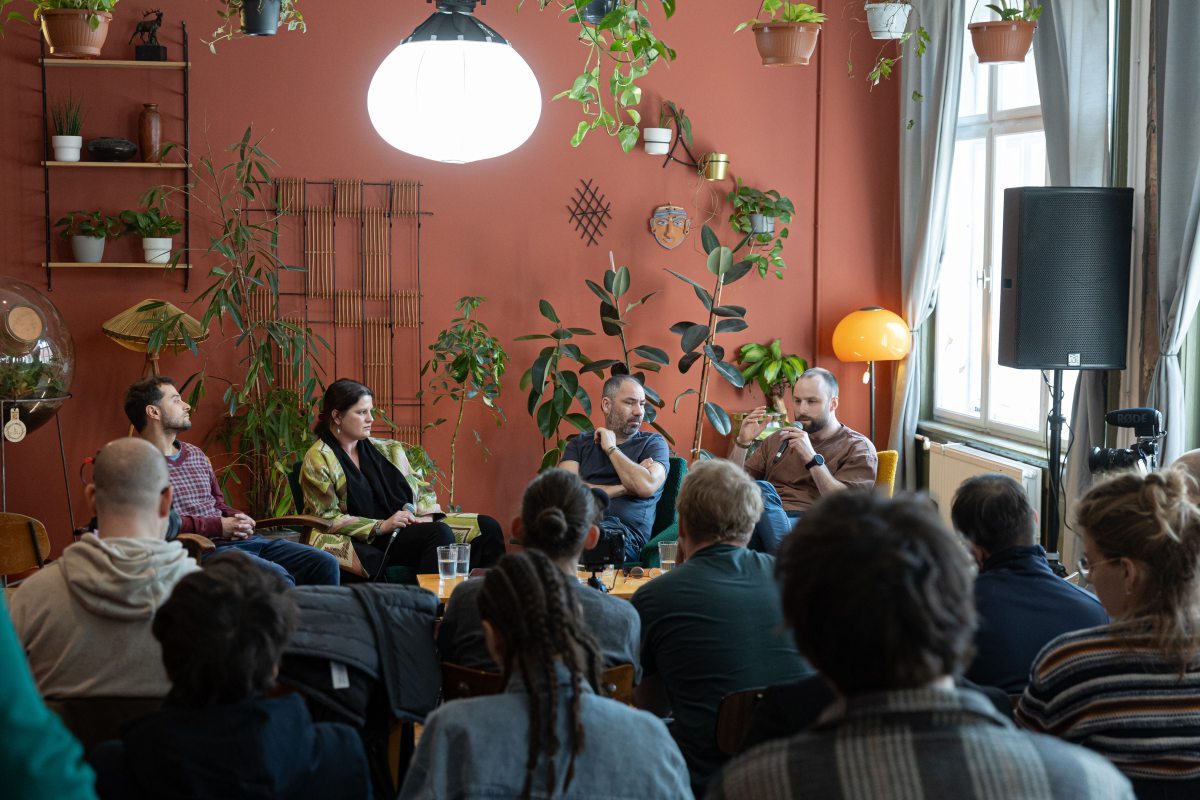
On February 19, HoTS – Hungarian oncoming Tunes continues its interactive workshop series presenting musical genres and their industry-specific characteristics. The upcoming fifth edition focuses on world music genres. Through panel discussions and presentations led by Hungarian and international professionals, participants can gain insight into current world music trends and industry specifics across different regions.
Those registering for the event can also apply for a Listening Session and Speed Meeting, during which they receive personal feedback from attending professionals and have the opportunity to build connections with them. We spoke with Kedves Péter, project coordinator of HOTS.
Who is the event aimed at, and how does it help participants?
The event is for anyone even slightly interested in international music markets and the functioning of the music industry, but we primarily target bands, professionals, and even students who are interested in both the Hungarian and international world music scene.
This event — which is free to register for — specifically revolves around world music, so its main focus is on artists, organizations, and managers working with world music bands in any capacity.
How is this workshop series, launched last year, structured?
The workshop series consists of four annual events: two held in spring and two in autumn. These focus respectively on world music, electronic music, heavy music — meaning rock, metal, and similar heavier genres — and pop music.
Each time, we invite international professionals from a specific genre who represent different sectors of the industry. Among them are festival organizers, bookers, media platform representatives, managers, or professionals working directly with artists. Every event includes two panel discussions.
Afterward comes the Listening Session, during which we listen to songs submitted by participants, and the attending professionals evaluate them. At the end of the event, participants can also join Speed Meetings through prior registration — approximately five-minute introductory conversations with the professionals.
We work intensively on building international connections, and the relationships we’ve developed over the years provide a strong foundation for assembling the professional lineup of the event.

Will there be differences between last year’s and this year’s world music workshop?
Technically, the structure of the program will remain the same, and just like last year, Weyer Balázs, program director of Hangvető, will host the day and moderate the panels.
The difference lies in the invited professionals themselves and in the personal professional insights and perspectives they bring. At the same time, because the music industry changes from year to year, there will naturally also be new topics in the panel discussions.
What kind of feedback have you received regarding successful professional networking?
After last year’s events, we tried to follow up on what happened afterward, and according to our observations, several successful collaborations emerged.
At the pop music event, the band Stone Sober received an invitation on the spot to the Waves Vienna showcase festival as a direct result of their Listening Session presentation.
Throughout last year, I repeatedly noticed — especially at the world music event — how surprised foreign professionals were by how good and diverse Hungarian music is.
In your opinion, how competitive are Hungarian world music bands internationally?
World music isn’t my strongest field of expertise, but from what I can see, I can honestly say that Hungarian bands are exceptionally good — just as they are in other genres.
Perhaps what makes international success more difficult for them is the lack of connections with both Hungarian and foreign professionals, which is one of the reasons we created this event.
Many bands become very skilled at managing things independently out of necessity, because they lack the right professional network. But beyond a certain point, the knowledge and support of a highly qualified professional can provide enormous momentum.
How welcoming and supportive is the international music industry when it comes to helping artists succeed?
Competition in the music industry is enormous, and that can truly test artists trying to establish themselves. However, I believe events like the February 19 Genre Discovery can provide a simplifying step in the process.
And as for the world music scene overall, I believe it is characterized by the fact that its participants not only know one another, but actively support each other as well — they can rely on and count on one another.
Photos: Zsigmond Csákvári / Kultúra.hu
This article was originally published on kultura.hu.